What do you do if you are ever denied entry into your own house?
This year, 2026, Women for a Change (Wfac) will not attend the seventieth session of the Commission on the Status of Women, slated to take place at United Nations Headquarters in New York from 9 to 19 March 2026. This is not a random thought but a conscious, carefully reflected, and political decision.
For years, women and girls from the global majority world have faced multiple restrictions engaging in International events, especially UN convenings happening in global minority regions. 90% of these impediments being visa denials, often on grounds of “simply because they are too young, old…” or “the purpose of their trip is unclear”. For Cameroon and the Central African countries, attending the CSW remains a nightmare. An experience that a majority of our delegates are quite versed in.
Study shows that the reasons why a lot of these UN meetings and international events often get low participation of women or people from the majority world is firstly, because of visa denial, which remains the major barrier to women and young people’s meaningful participation, with US visa B1/B2 rejection rates exceeding 57%. UN Women, on the other hand, had taken steps by revising the CSW invitation letters, encouraging delegates to apply for C2/C1. But revisions on paper are not the same as access in practice. Even though delegates have all the supporting documentation to prove sponsorship and the purpose of their travel, the results from some embassies are predictable: denial. This implies that the voices, experiences, and expertise of the women most affected by the issues under deliberation will be absent or underrepresented.
CSW was created exclusively to advance women’s rights globally, and the US is committed to being a host country to the UN CSW annual convening. However, the recurrence shows that many of the women and girls it was created to serve can only imagine what CSW processes look like since the only memory they have is that of visa denial – denial into their own house — the United Nations Commission on the Status of Women. This year, due to the US administration’s visa restrictions, alongside its exclusionary rhetoric to humanity, we refuse to stay silent, nor to play along with such discriminatory ideologies.
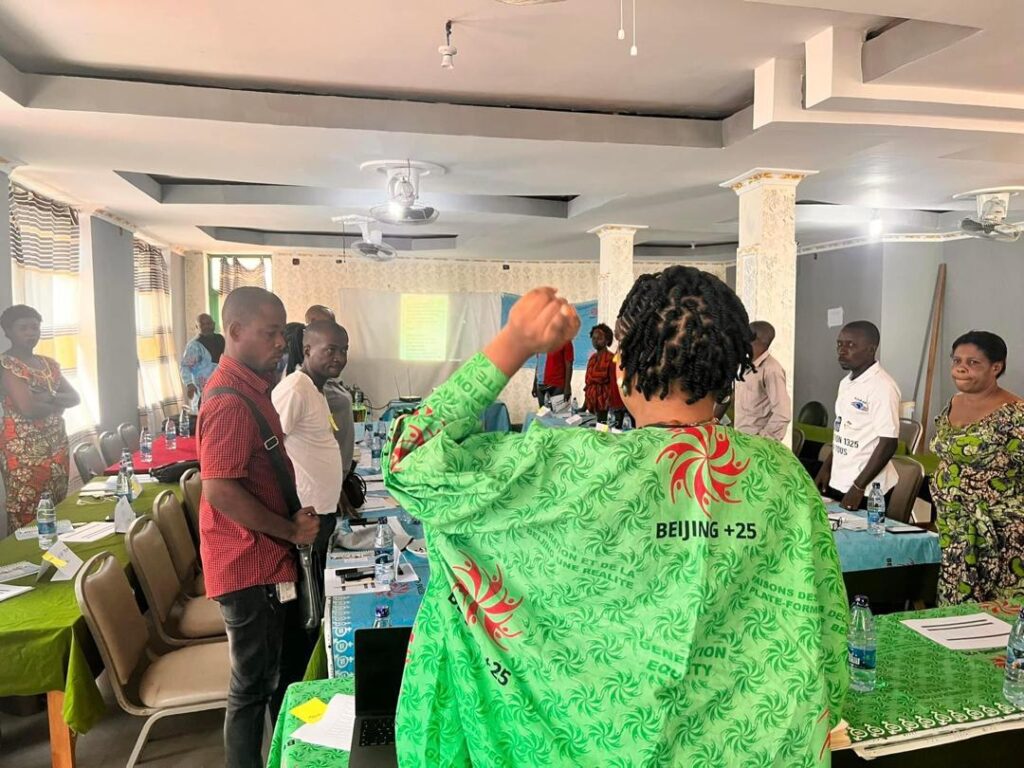
I have always considered the annual convening of the Commission on the Status of Women (CSW) as Virginia Woolf’s “A Room of One’s Own”. That is to say, our own space to rethink, organize, be accountable – and as we say in Cameroon – njangi. CSW was our own women’s njangi. There is no doubt that the CSW remains the largest global multilateral gathering dedicated to advancing women’s rights – where thousands of women in all their diversity, including UN entities, governments, NGOs, philanthropists, private sector actors, and allies come together to dialogue, review, and set a priority agenda for the advancement of women’s rights. Ideally, it should be that safe space where accessibility is for all, regardless of age, class, income, race, or education; a place where unheard voices are heard, confidence restored, hope renewed, genuine conversations held, solidarity strengthened, and commitments are realized.
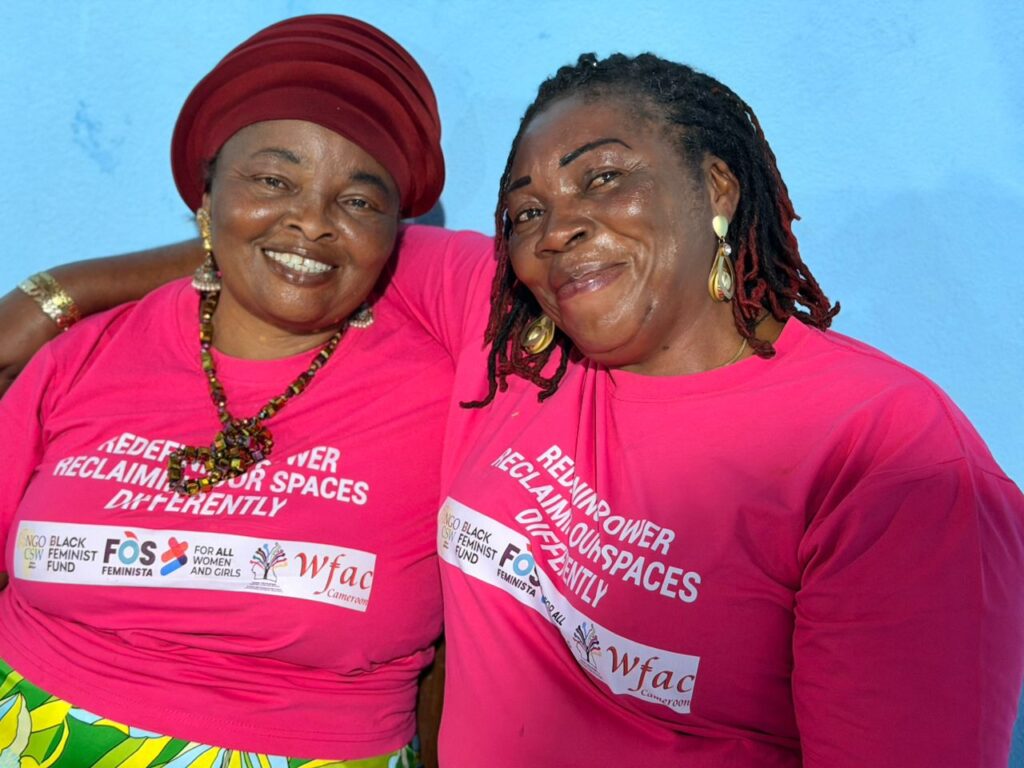
Making the conscious decision to not attend CSW70 but rather organise and hold the space locally and differently is a decision we are so proud of and hope as a continent we could all choose the path of claiming our space differently and by so doing redefining power. For our voice, our space should not be hijacked by systems and entities that choose profits over the people. We reject systems that silence marginalised voices and create segregation and tokenise participation.
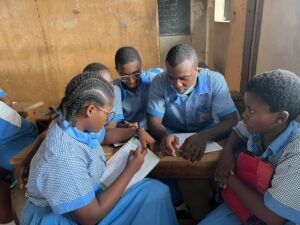
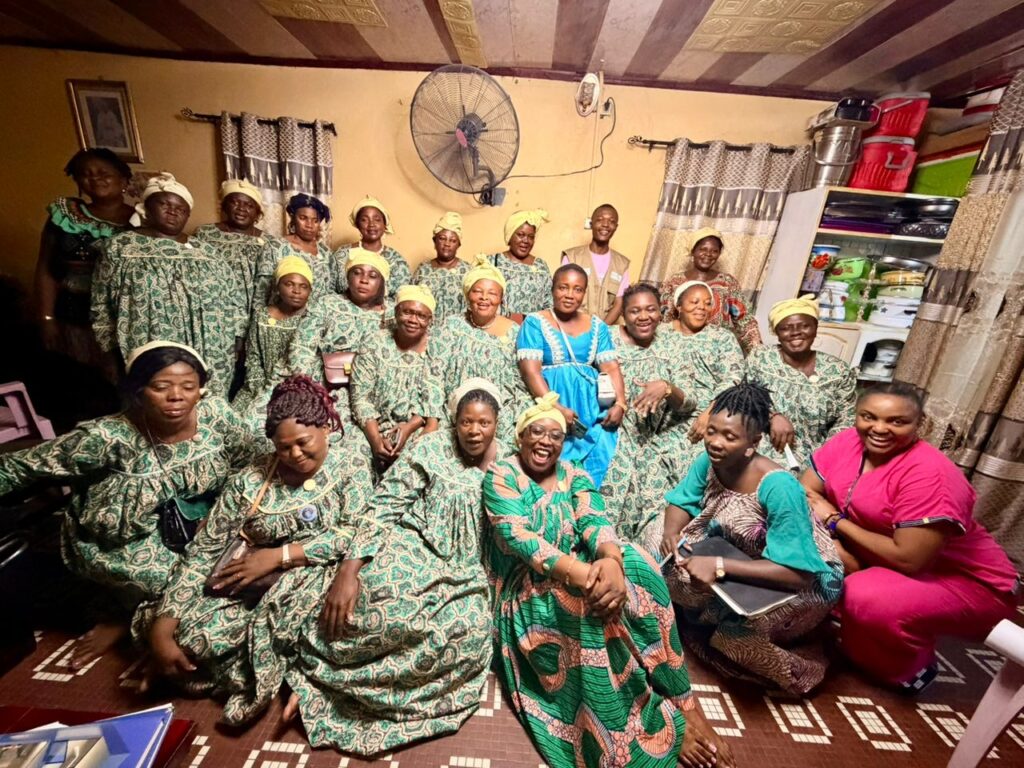
In Cameroon and across the central Africa subregion, through community groups and networks, we are speaking louder and bolder, redefining power and how we organise, building communities in solidarity as well as connecting approaches locally to regionally and vice versa, uniting our struggles for gender justice. Throughout the CSW70 two weeks (March 9-19), we embarked on a community outreach action to over 500 women across the country around different thematic issues.