
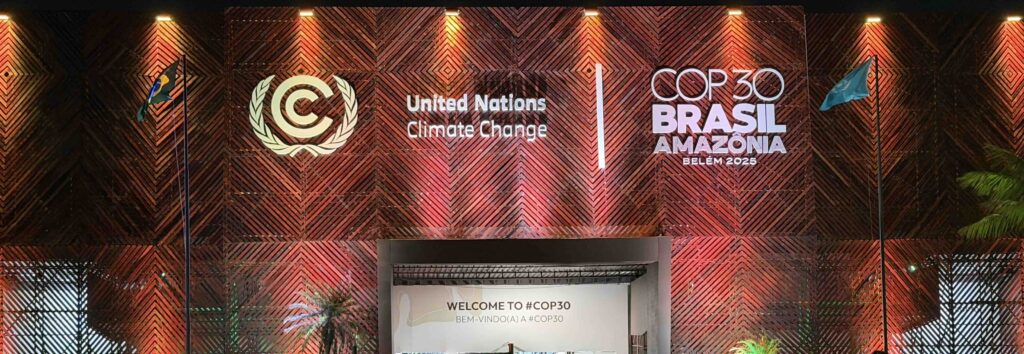
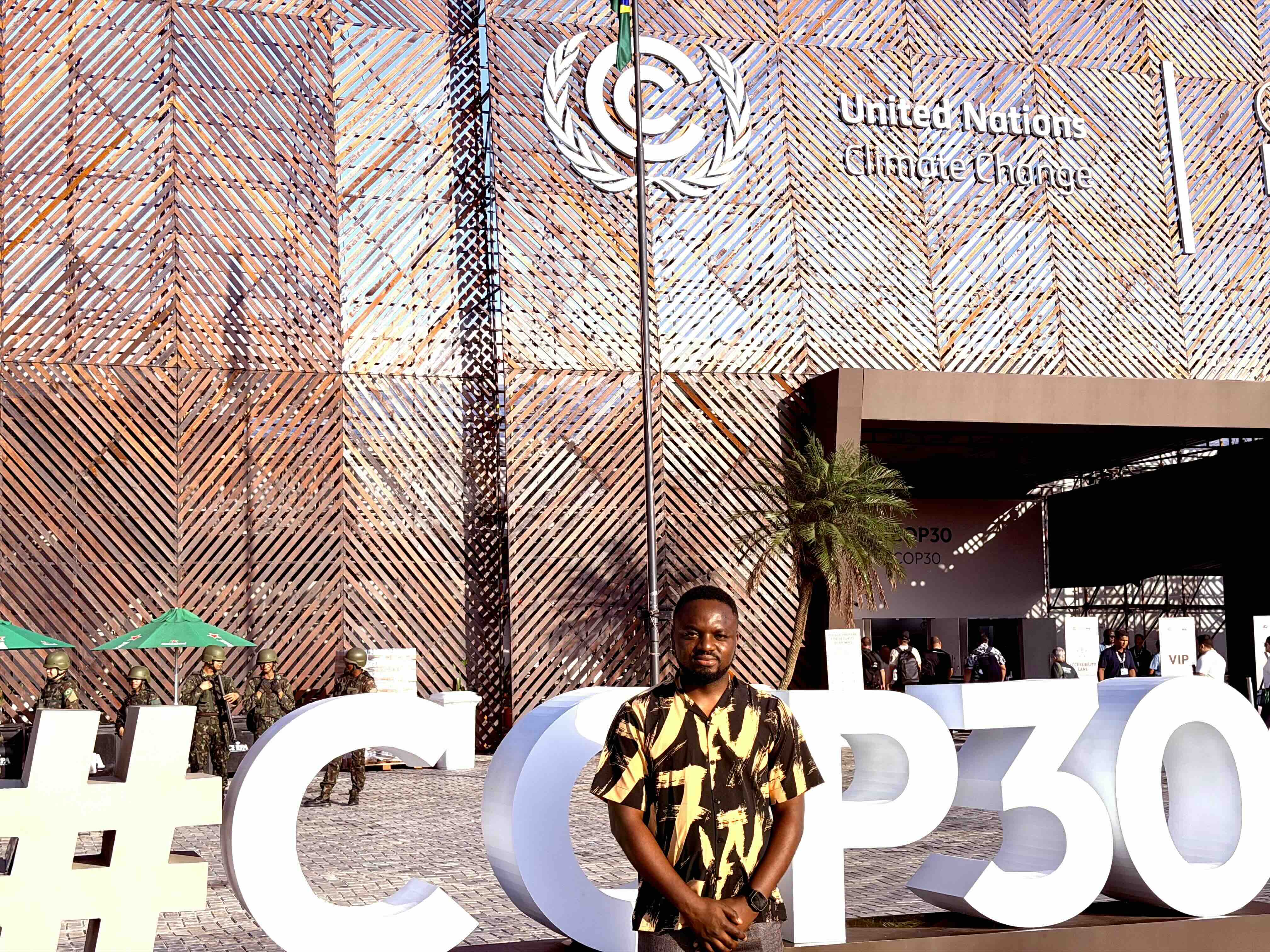
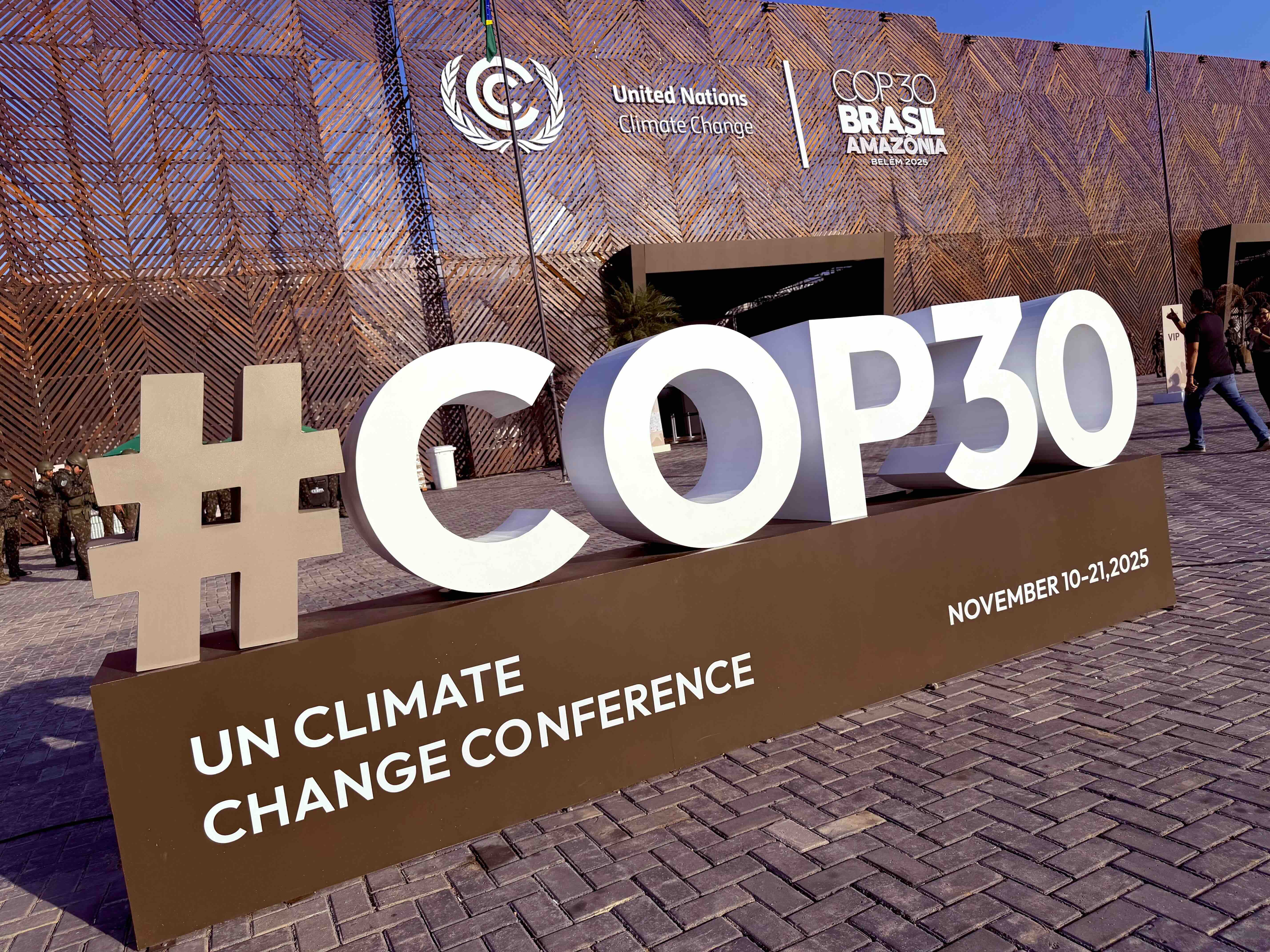
The 30th Conference of the Parties (COP30) in Belém, Brazil, concluded with the highly anticipated Belém Political Package, reaffirming a global commitment to climate action, particularly around finance and implementation.
As a representative of Women for a Change, Cameroon, my experience at this pivotal summit underscores both the significant progress achieved and the urgent need to ensure global financial commitments translate into tangible, gender-responsive action at the grassroots level.
COP30: The State of Global Climate Finance
A key outcome of COP30 was the agreement to mobilize at least $1.3 trillion per year by 2035 for climate action through the “Baku to Belém Roadmap.” Most notably for vulnerable nations, wealthy countries signaled a political intent to triple adaptation finance by 2035, targeting roughly $120 billion annually for those most impacted. The operationalization of the Loss and Damage Fund also launched its first call for funding requests. While these figures represent a necessary scaling-up, the absence of a collective, binding commitment to phase out fossil fuels and the delay in delivering the tripling of adaptation finance until 2035 reveal the deep fissures remaining in global consensus.
For organizations like ours, working directly with communities on the front lines, the speed, accessibility, and equity of this finance remain the most critical challenges.
The Cameroonian Grassroots Reality: Mobilization and Adaptation In Cameroon, the impacts of climate change—from unpredictable rainfall and flooding to desertification—are disproportionately borne by women, who often depend on climate-sensitive agriculture for their livelihoods.
At Wfac, we mobilize communities through:
* Capacity Building: Training women’s cooperatives in climate-smart agriculture techniques, such as using drought-resistant seeds and efficient water harvesting.
* Resilience Building: Leveraging women’s strong social capital and local networks to create rapid response mechanisms against climate shocks and promote income diversification.
* Gender-Responsive Infrastructure: Advocating for climate adaptation investments—like community-managed irrigation systems and solar-powered clean water points—that directly address women’s needs and security.
These grassroots efforts demonstrate that women are not merely vulnerable victims but vital innovators and drivers of climate adaptation. Their participation in local decision-making and project implementation is the single most effective way to ensure adaptation measures are culturally appropriate and sustainable.
We took it even further by developing a Gender-Responsive Climate Finance Model. The core challenge is the chasm between the large-scale international climate funds (like the Green Climate Fund, GCF) and the small, vital projects of local women’s organizations. To bridge this, we proposes a Gender-Responsive, Bottom-Up Finance Model based on three pillars:
1. Direct Access and De-Risking
* Local Intermediaries: Channel a significant portion of international funds through established national and sub-national financial institutions (like national climate funds, civil society organizations, or microfinance institutions) that have existing, proven relationships with women’s cooperatives.
* Flexible Financing: Promote financing in local currency and utilize flexible instruments, such as small grants and results-based financing, to mitigate currency and collateral risks that typically exclude women.
2. Capacity and Readiness
* Investment in “Soft” Skills: Provide dedicated funding for technical assistance and grant proposal writing for women’s organizations, removing the administrative and bureaucratic barriers to accessing complex international funds.
* Gender-Disaggregated Data: Mandate that all financial flows tracked must use gender-disaggregated data to demonstrate how funds are directly impacting women’s economic empowerment and adaptive capacity.
3. Accountability and Transformation
* Local Oversight: Establish participatory governance mechanisms involving grassroots women’s leaders to oversee the deployment and impact of climate funds at the national level.
* Triple-Benefit Mandate: Climate finance projects must be screened for a triple-benefit: Mitigation/Adaptation, Gender Equality/Women’s Empowerment, and Economic Development.
Turning Pledges into Practice
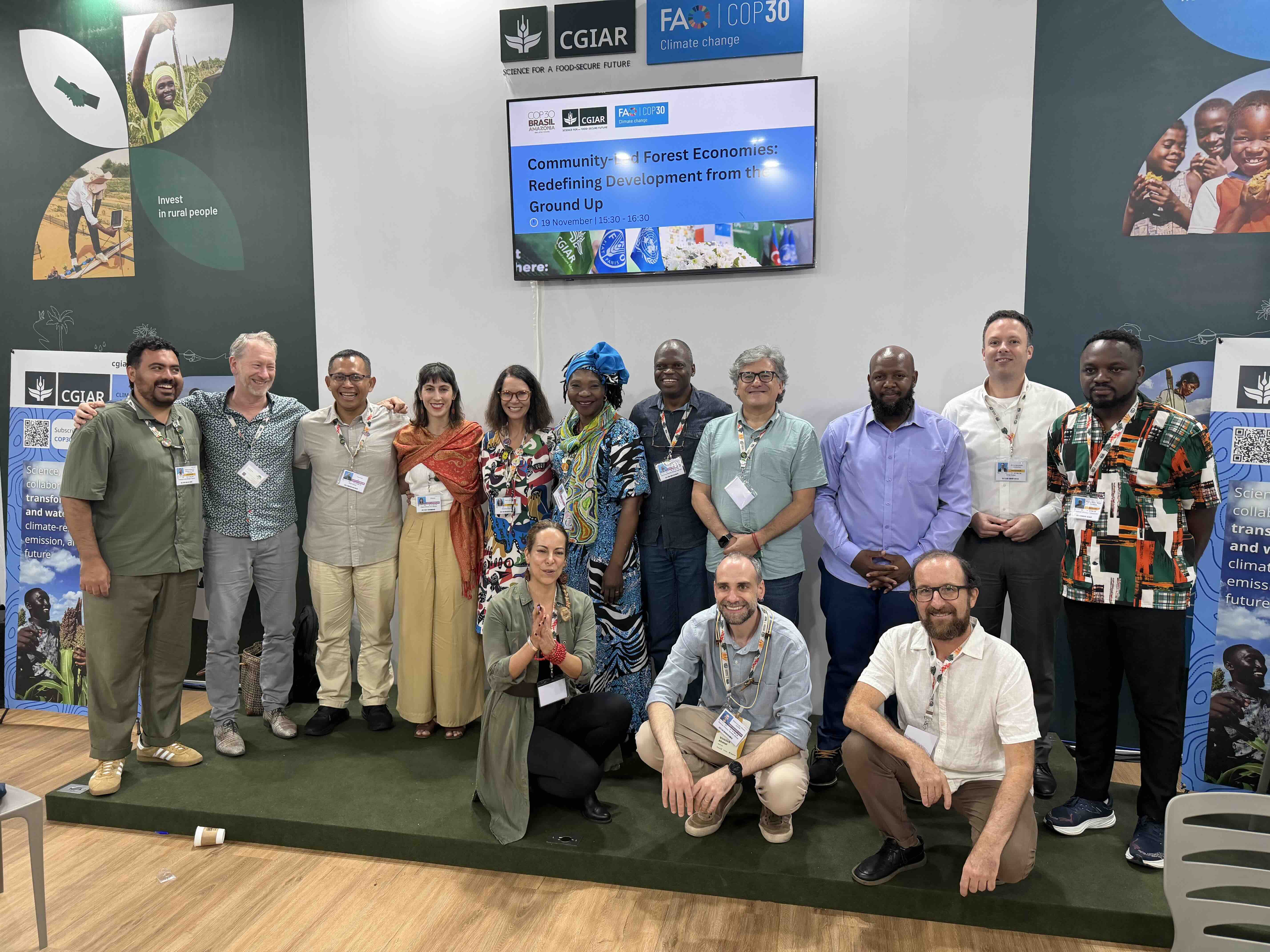
COP30 has provided a new mandate to accelerate global climate action and finance. However, for Women for a Change and the communities we represent, the real test of Belém’s legacy will be in the coming years: whether the commitment to triple adaptation finance truly empowers the women who are innovating daily to secure their families and communities. The journey from $1.3 trillion on paper to a new roof, a drought-resistant seed, or a clean water point requires a deliberate and equitable shift in financial architecture. It is time for the global climate finance ecosystem to become as adaptive and resilient as the grassroots women it aims to serve.