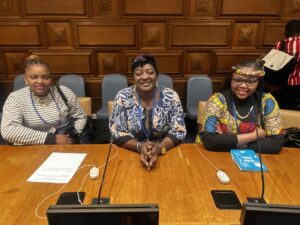

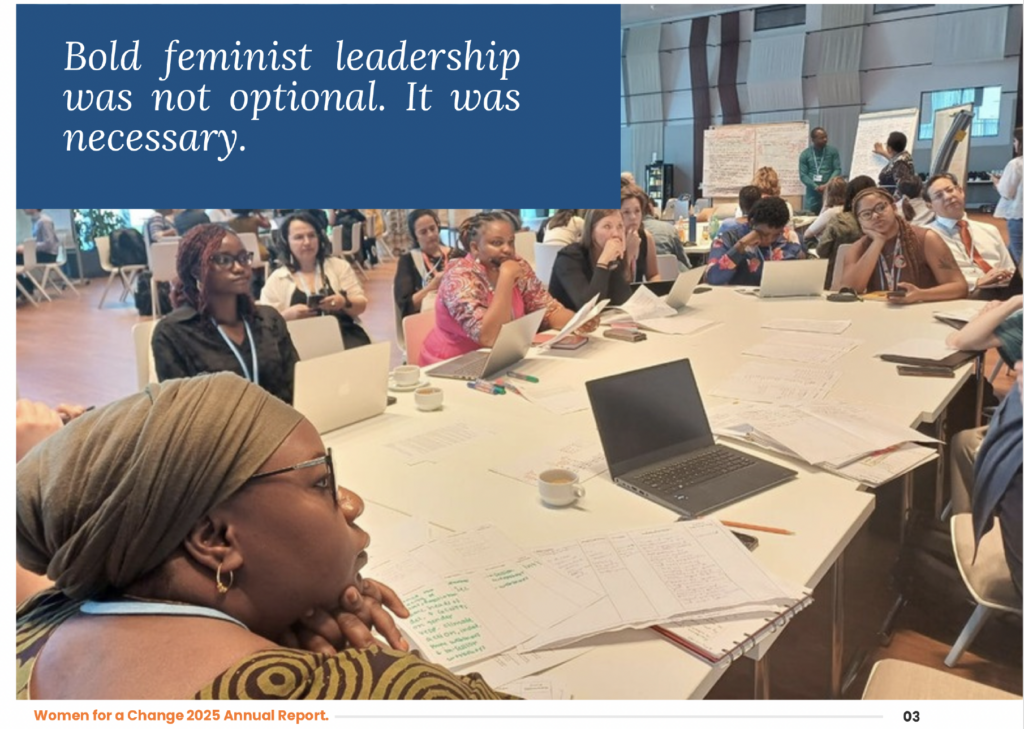
In a world where the fight for gender equality is frequently met with systemic pushback, resilience is not just an asset; it is a necessity. Earlier this year, Women for a change, Cameroon (Wfac) celebrated a monumental year of that exact resilience with the launch of their 2025 Annual Report, aptly titled Bold Feminist Leadership.
Founded in 2009, Wfac has spent over a decade on the frontlines of feminist advocacy in Cameroon. Their latest report serves as both a mirror and a map: reflecting on the complex hurdles of 2025 and charting a definitive course for the future of women’s rights, Sexual and Reproductive Health and Rights (SRHR), and climate justice locally and abroad.
Navigating the Challenges of 2025
The year 2025 presented a unique set of intersecting crises. In Cameroon, the ongoing socio-political realities continued to disproportionately impact women and girls, exacerbating vulnerabilities to Gender-Based Violence (GBV) and severely restricting access to essential reproductive healthcare.
Globally, the feminist movement faced a highly polarized climate, with coordinated rollbacks on bodily autonomy and human rights. Furthermore, the escalating impacts of climate change in Central Africa deeply affected women, particularly those in rural communities whose livelihoods depend on agriculture. Wfac recognized that these were not isolated issues, but a deeply connected web of systemic inequality that required a holistic, bold response.
Seizing Opportunities and Forging Solidarity
Where there were challenges, Wfac identified critical opportunities to innovate and build power. Under the continued leadership of Executive Director Dr. Zoneziwoh Mbondgulo-Wondieh, the organization leaned heavily into movement-building.
Recognizing that the youth are not just the leaders of tomorrow but the changemakers of today, Wfac expanded its mentorship of adolescent and young women-led feminist movements. They also capitalized on the growing global demand for intersectional advocacy, linking the fight for bodily autonomy directly to the fight for climate justice.
Key Triumphs: Advancing Rights at Home and Abroad
The Bold Feminist Leadership report highlights several core victories from the past year that underscore Wfac’s impact:
- Defending SRHR and Combating GBV: Through grassroots awareness campaigns and community dialogues, Wfac continued to dismantle the stigma surrounding reproductive health. Their innovative gShe (gender, Sexuality & health education) e-learning platform saw increased engagement, breaking down geographical barriers to provide young people across Cameroon with free, evidence-based courses on communication, gender norms, and human rights.
- Elevating Youth on the Global Stage: Wfac successfully bridged the gap between local realities and international policy. In 2025, the organization was instrumental in equipping young Cameroonian activists with the tools to navigate high-level global advocacy spaces, including the UN Commission on the Status of Women (CSW) and the UNFCCC Climate Conferences. By ensuring that young leaders from the Global South have a seat at the table, Wfac helped shape international dialogues on gender equality.
- Championing Feminist Climate Justice: Wfac boldly positioned women and young people at the center of the climate conversation. By partnering with regional coalitions like GenEgaliteECCAS and participating in dialogues surrounding the Rio Conventions, the SBIs and COPs, Wfac advocated fiercely for gender-responsive climate policies, emphasizing that environmental sustainability is impossible without the full empowerment of women and girls.
The Road Ahead
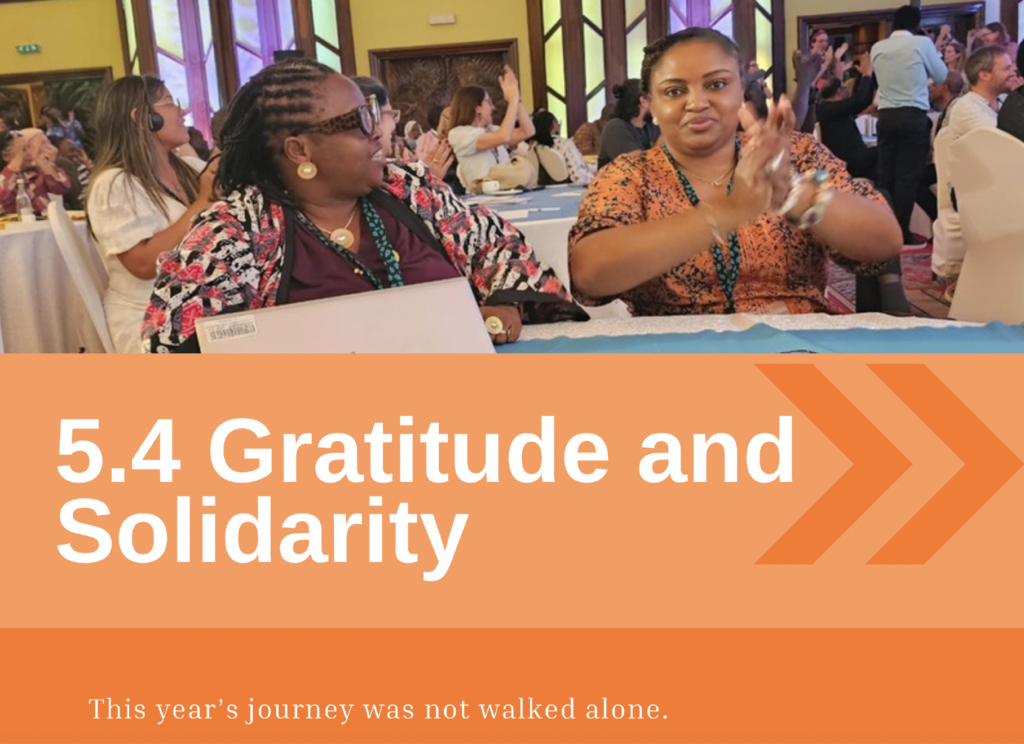
Bold Feminist Leadership is more than an annual review; it is a testament to the power of collective action. Wfac’s 2025 journey proves that when women trust and empower one another, they can transform social norms, hold institutions accountable, and build deeply resilient communities.
As they look toward the future, Women for a change, Cameroon, remains an anchor for the feminist movement in Central Africa, unapologetic in their demands for equality, justice, and the fundamental right to bodily autonomy.