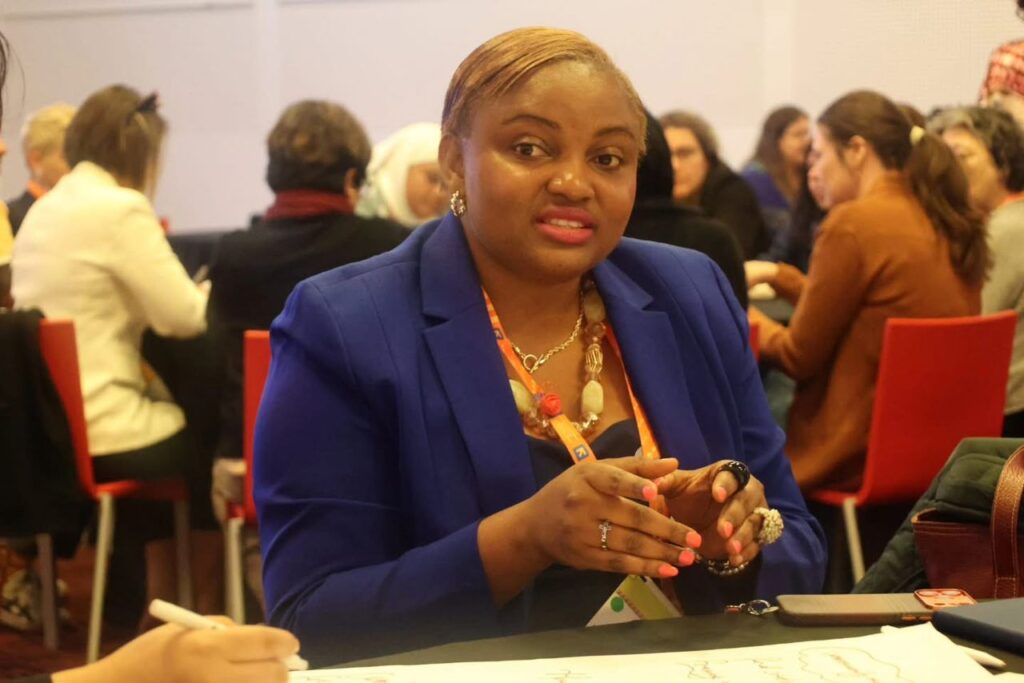
We often say we take an intersectional approach to gender justice, yet we end up spending too much time explaining how it connects to climate change, health, economic justice, security, development, and democracy. What is democracy if women do not feel safe in their own homes? What kind of development is it if gender-based violence is continuously on the rise? What is justice when a girl spends two years waiting for her abuser to appear in court, and the wealthy avoid fair taxation? These questions and more constituted the deep, reflective conversations at Women Deliver 2026.
A global convening for gender justice
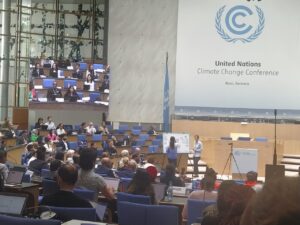
Held in Narrm (Melbourne), Australia, Women Deliver 2026 brought together over 6,000 delegates and 400+ speakers from 189 countries, from local and Indigenous communities to heads of government, feminist and civil society leaders, philanthropists, donor agencies, and private and public actors in April 2026 with one purpose: to deliver gender justice for all and build a world free from violence and inequality. Over four days, the convening hosted 100+ events: plenaries, side events, preconferences, exhibition hubs, and special programming, including youth, media, climate, disability, queer, and arts hubs.
Listen to the feminists in the room to know what change looks like
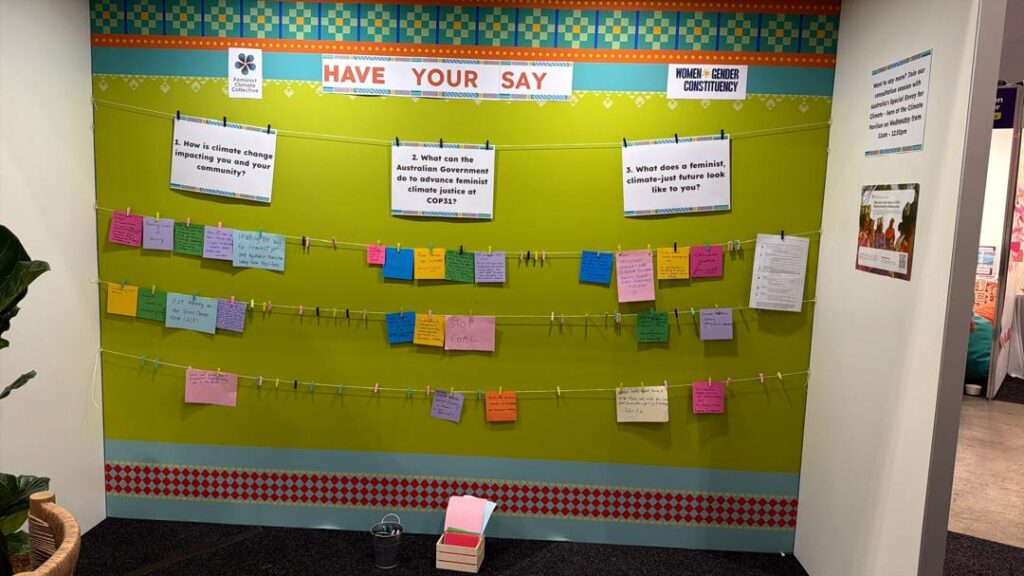
For any leader wanting to see what change looks and feels like, the answer was simple: listen to the feminists in the different conversation cycles and sessions. These sessions ranged from adolescent girls’ rights and agency, healing justice, and land rights, to strategy meetings on implementing a feminist climate agenda; countering anti-rights movements and pseudoscience in SRHR; resourcing global feminist movements and funding justice; and rethinking accountability and alternative resource models. Conversations also explored care — what it means, and how it can be protected, dignified, and honored across cultures.
1 + 1 is NOT equal to 1/2
A major highlight was the town hall sessions held between the civil society and the UN Deputy Secretary-General on UN80 reforms and the proposed UN Women–UNFPA merger. At a time when donor countries are cutting ODA and finance for women’s rights is dwindling, there is tension and huge competition over scarce resources, and anti-rights narratives are rising. Feminists in the room voiced deep concern about a merger coming just 15 years after the hard-fought creation of UN Women.
Many of us questioned the logic behind the merger, which implies that impact is guaranteed, and greater efficiency is ensured. The DSG’s analogy of “1+1=1/2” only intensified fears. Drawing on past transitions such as UNIFEM to UN Women, most feminists feared that cost-cutting could deepen injustices and delay the gender agenda already under attack. These attacks are fueled by religious extremists and harmful cultural rhetoric, xenophobic and neocolonial forces, patriarchal power, and profit-driven agendas that prioritize capital over people and planet.
The moment is urgent. To realize a gender-just world, one without armed conflict, insecurity, exploitative labor, illicit financial flows, and unchecked power and patriarchy, but one with equitable investments in healthcare, quality education, safety, and justice, we need full resources, not a “1+1=1/2” approach.
Acknowledgement of Country and the journey I underwent
Attending WD2026 also allowed me to hear firsthand the lived realities of women and girls across the Pacific. The journey took three full days across two continents, with flights of seven to thirteen hours and time-zone shifts of 9–11 hours from Cameroon. Being awake in Melbourne while it was night back home was exciting and exhausting at the same time. On active duty with Women for a Change, I found myself responding to emails, attending Zoom meetings, and working on Cameroon time while participating fully in the convening in Melbourne. All these were a vivid reminder that gender-justice work spans time zones and realities and demands all time consciousness, regardless of distance and time, and that this endurance was part of the feminist resistance.
As I reflect on the journey, I couldn’t go one without acknowledging and paying my respect to the Traditional Owners of the land on which we met, and to their elders past and present. Many of us felt welcomed and connected to that ancestral heritage.
From Melbourne to COP31 and beyond
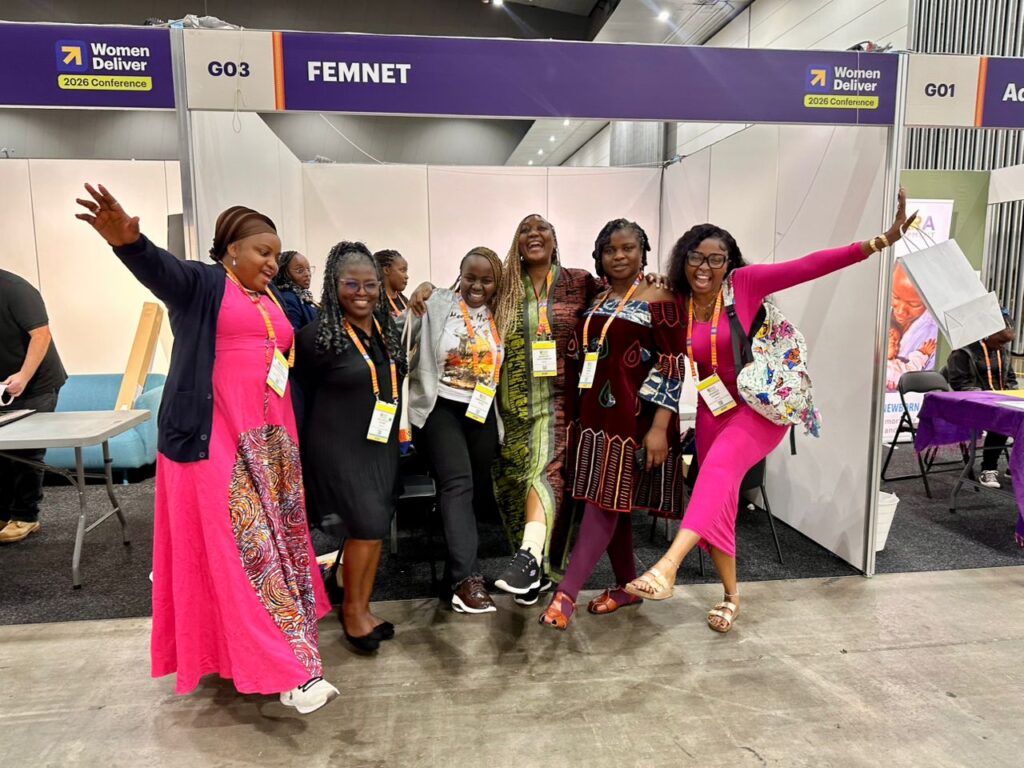
The convening concluded with the Melbourne Declaration for Gender Equality, calling on states to respect, protect, and fulfill human rights; on philanthropy and donor countries to deliver on their financial commitments; and on feminist movements and civil society to be resourced, empowered, and legitimized to hold states accountable on their obligations for human rights, justice, and development. The declaration was endorsed by a majority of delegates present at WD2026, including donor countries such as France, Germany, and Mexico. It is indeed a political commitment to carry Melbourne’s messages forward to COP31 in November 2026 in Antalya, Turkey, and beyond.
Recognising the progress made so far, we must reclaim our world through radical, transformative action. Global dialogues such as Women Deliver must center those most ignored and harmed by injustice. Donors must resource movements with all intentionality; movements, on the other hand, must collaborate across silos; and multidimensional stakeholders must begin honest conversations together.
A gender-just world is possible. It will require resources, radical solidarity, and collective, sustained action — not half-measures.