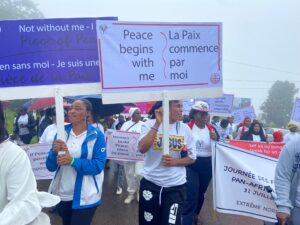

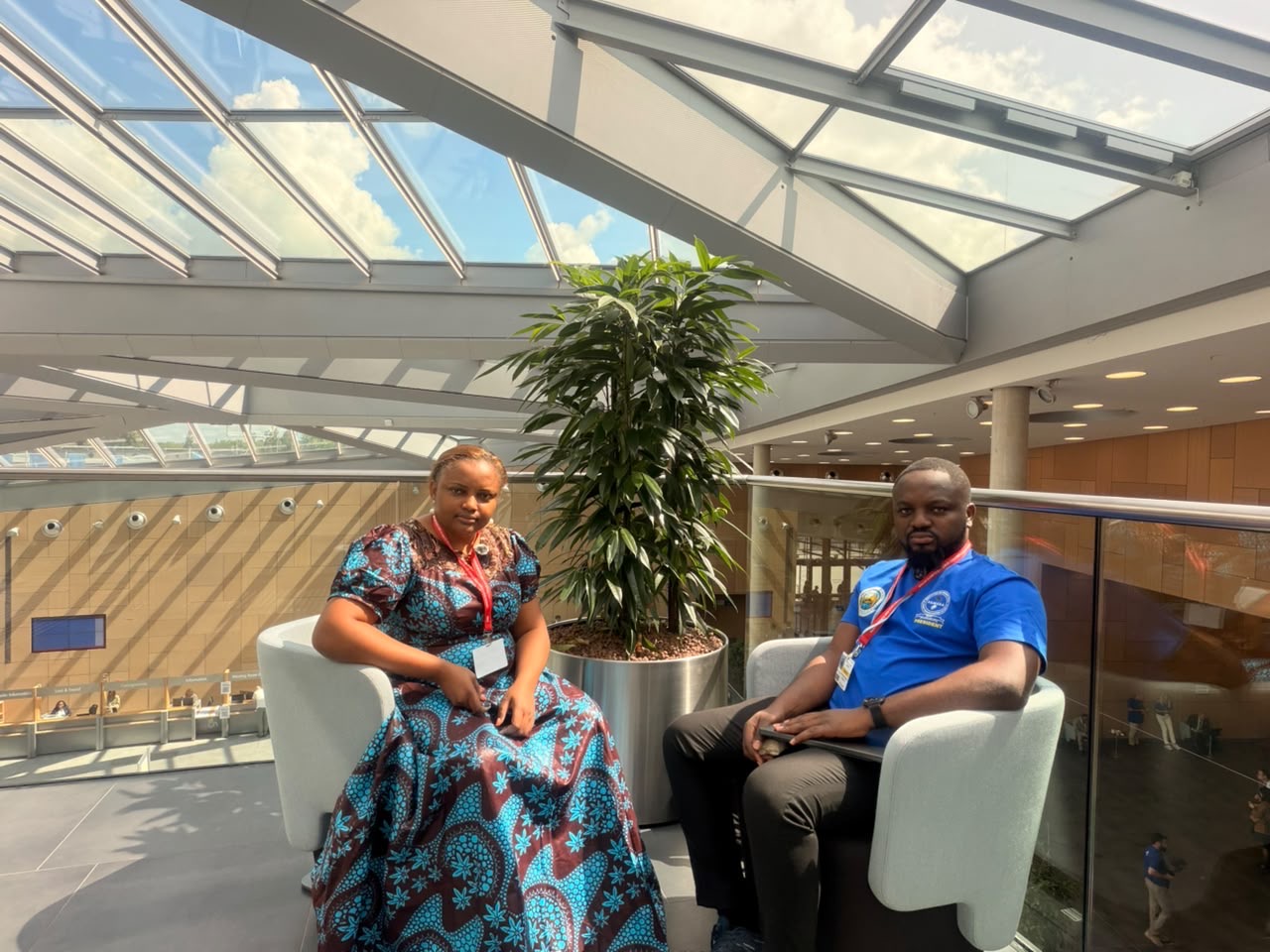
The halls of the World Conference Center in Bonn buzzed with an urgency that only a ticking climate clock can produce. This June, as delegates from across the globe gathered for the UNFCCC Subsidiary Body 64 (SB64) meetings, the atmosphere was a complex blend of technical pragmatism and palpable frustration. For Women for a Change (Wfac), Cameroon, represented by Dr. Zoneziwo Mbondgulo-Wondieh and Mr. Emmanuel Ndabombi, the mission was unequivocally clear: to ensure that the voices of those most impacted by climate change were not relegated to the margins of policy drafts, but placed at the very center of the global climate architecture.
The June Climate Meetings are traditionally where the heavy lifting of international climate diplomacy occurs. It is here, far from the sweeping declarations of the annual COPs, that the intricate, often tedious mechanisms of global environmental policy are hammered out. For the Wfac delegation, this meant navigating a labyrinth of thematic areas, mandated events, and side panels, constantly fighting to inject a sociological perspective = into debates that too often retreat into abstract economic calculations.
A central pillar of Wfac’s advocacy in Bonn was the push for localized, grassroots climate finance models. Global climate finance mechanisms frequently operate through convoluted bureaucracies that leave community-based organizations, particularly those led by women, starved of resources. The delegation consistently raised the alarm that an environmental protection strategy disconnected from the socio-economic realities of local communities is destined to fail. True climate justice requires untangling these financial webs and establishing direct-access funding pipelines that empower communities to lead their own adaptation and resilience initiatives.
Navigating the sheer density of the SB64 agenda would be an insurmountable task without organized solidarity. This is where the Women and Gender Constituency (WGC) proved absolutely vital. The regular WGC events and, crucially, the daily morning briefings, acted as the strategic heartbeat for feminist delegates. These early-morning gatherings were more than just informational catch-ups; they were tactical planning sessions. They demystified the opaque negotiation processes, allowing delegates to track exactly where gender-responsive commitments were progressing, and where they were being stonewalled. By anchoring their daily strategy in these briefings, Dr. Mbondgulo Wondieh and Mr. Ndabombi were able to engage in the negotiations with precision, ensuring that the historical and contemporary political participation of women remained a non-negotiable metric for successful climate governance.
The work undertaken in Bonn is part of a longer continuum of advocacy. The Wfac delegation arrived in Germany carrying the momentum generated during the COP30 negotiations in Belém, Brazil. The networks built and the foundational arguments established in Belém provided the leverage needed to push for more aggressive inclusion of local knowledge and gender equity at SB64. It is a reminder that in the realm of international climate policy, progress is rarely achieved in a single fortnight; it is the result of relentless, cumulative pressure applied across multiple summits and across continents.
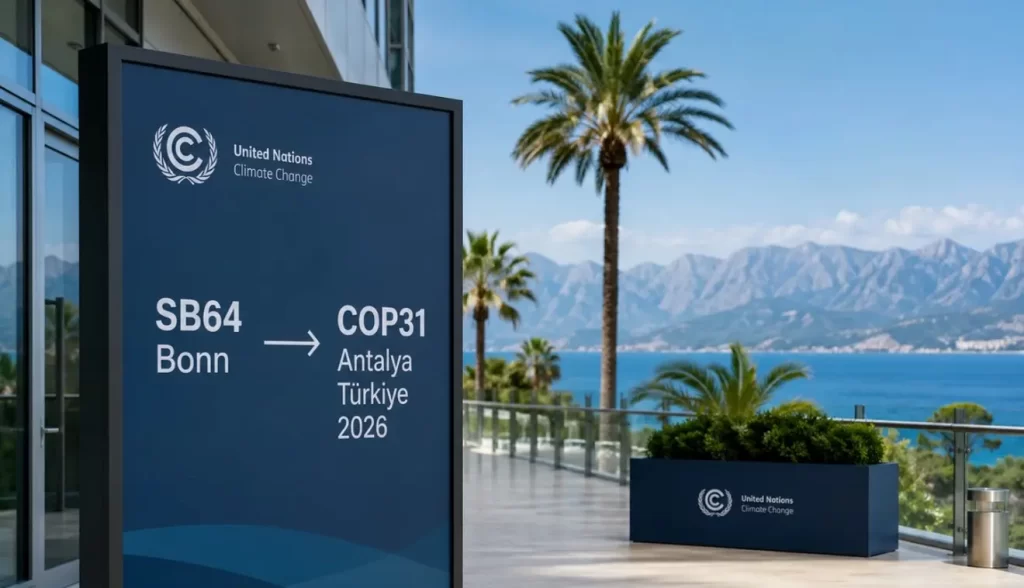
As the dust settles on the Bonn meetings, the gaze of the international community now turns toward the horizon and the impending COP31 in Antalya. The prospects ahead are daunting but clearly defined. The technical dialogues of SB64 have set the stage, but the political will to finalize an ambitious, equitable, and properly funded climate framework must be secured in Turkey. For Women for a Change, the road to Antalya will be paved with continued advocacy for transparency in climate finance and the unyielding demand for women’s equitable representation in global climate leadership. The conversations in Bonn
proved that the blueprints for a just transition exist; the challenge for COP31 will be forcing the world to build upon them.