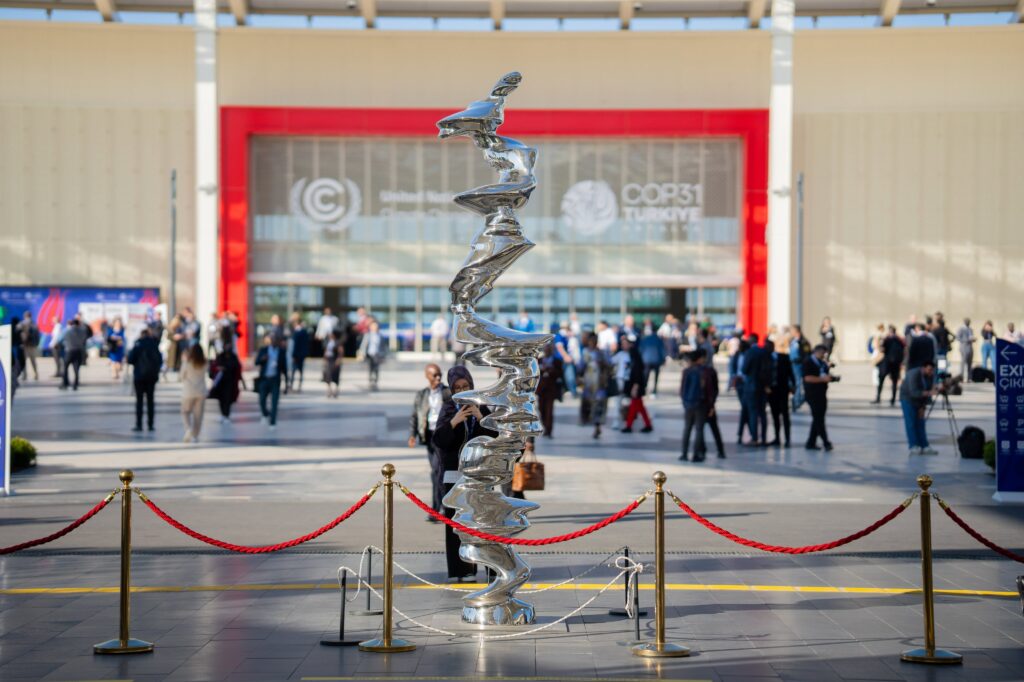
As global leaders convene in Antalya, Türkiye, for the 31st United Nations Climate Change Conference (COP31), the urgency to move from procedural promises to funded implementation has never been clearer. Amid high-level negotiations launching the second Global Stocktake and debating a proposed $120 billion adaptation finance target, Women for a Change, Cameroon (Wfac) is actively intervening to ensure grassroots climate knowledge and the lived realities of African women and girls directly shape international climate frameworks.
Grounded in Afro-ecofeminist principles, Wfac’s presence in Antalya reflects a critical reality: the climate crisis is not merely an environmental challenge, but a profound crisis of health, human rights, and gender equality. For adolescent girls and young women (AGYW) in Cameroon and the broader subregion, climate change acts as a severe threat multiplier. It exacerbates gender-based violence (GBV) and disrupts essential Water, Sanitation, and Hygiene (WASH) infrastructure, severing access to Sexual and Reproductive Health and Rights (SRHR).
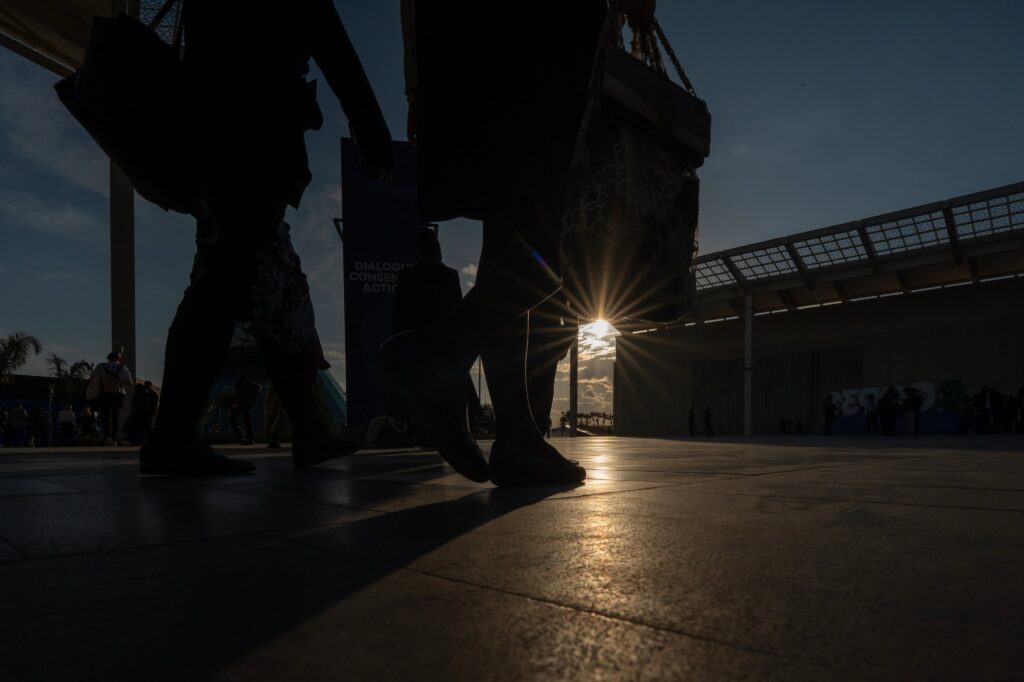
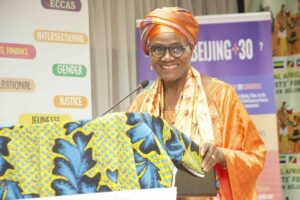
Represented by Dr. Zoneziwoh Mbondgulo-Wondieh and Mr. Emmanuel Ndabombi, Wfac is bridging the gap between top-down global governance and grassroots community realities. Wfac’s core mission is to advance SRHR, gender equality, and climate justice through advocacy, feminist mentorship, research, and movement building. At COP31, this vision translates into pushing for a just transition that centers bodily autonomy and human rights. Wfac is actively engaging stakeholders in policy dialogues surrounding climate finance, technology, adaptation, and the Belém Gender Action Plan (GAP) to demand:
- Localization of the Gender Action Plan: As COP31 reviews the first year of the 2026–2034 Belém GAP, governments must move beyond procedural reporting and support the translation of the plan into funded, community-led initiatives that reflect the unpaid care work and daily realities of grassroots women in the Global South.
- Intersectional Climate Financing: Adaptation finance must be delivered through simplified, direct-access, and non-debt-creating grants to women-led organizations. Funding must directly resource those working at the critical nexus of climate change, menstrual dignity, food sovereignty, and the care economy, and inherently abstain from a loan-based approach.
- Health-Centric Climate Adaptation: Global adaptation strategies must formally recognize and address the undeniable intersections between environmental degradation, sexual and reproductive health, and violence against women and girls.
“Women and girls in Cameroon and across Africa are already leading sustainable, community-level adaptation efforts,” says Dr. Zoneziwoh Mbondgulo-Wondieh. “We are at COP31 to demand that global climate governance stops treating women as passive victims and starts recognizing and resourcing them as critical architects of climate resilience”.
Throughout the negotiations in Antalya, Wfac continues to participate alongside the Women and Gender Constituency to demystify complex climate governance and uphold Indigenous and grassroots knowledge. True climate justice in Cameroon and the subregion requires legal mandates, direct resources, and safe participation for those on the frontlines of the crisis.
Read our latest article to see how Wfac is pushing for a just transition that centers human rights through our different social media handles: Facebook | Twitter | Instagram