Diplomats stalled at COP31 Antalya
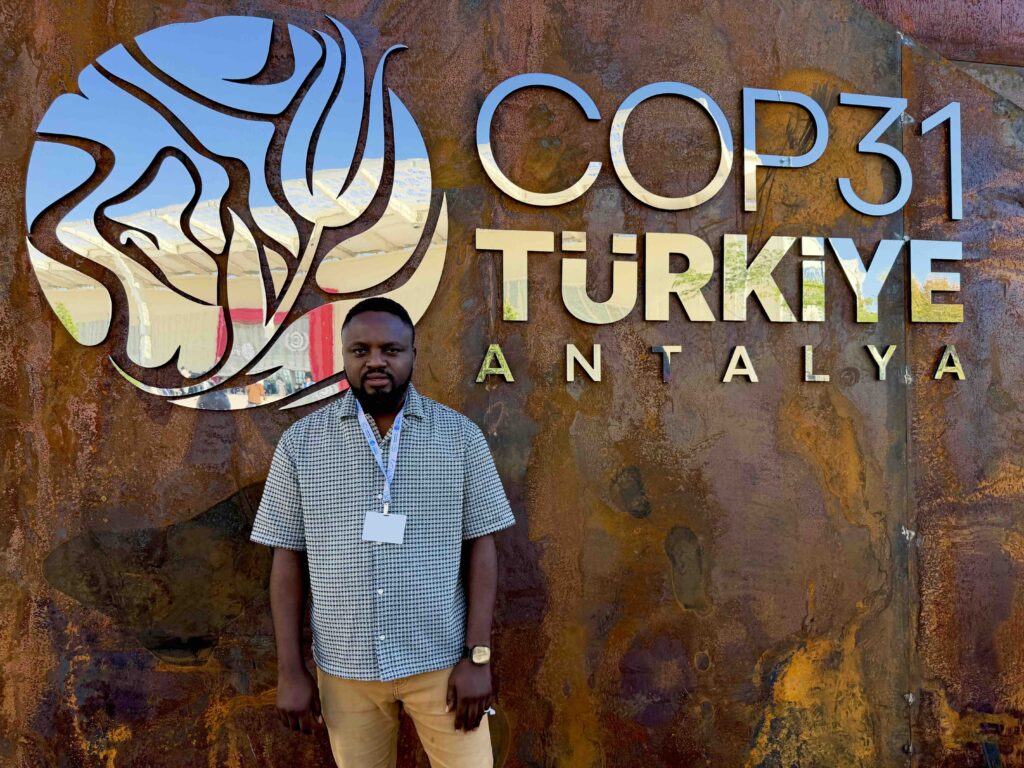
As the gavel fell on the 31st United Nations Climate Change Conference (COP31) in Antalya, Türkiye, on November 22, the summit concluded without an overarching political deal. The proposed “Antalya Pact” collapsed in the final hours after failing to include a clear commitment to transition away from fossil fuels or to secure a $120 billion target for tripling adaptation finance. For frontline communities in Cameroon and across the African subregion, this diplomatic deadlock is not an abstract policy failure—it is an immediate threat to health, bodily autonomy, and survival.
Throughout the negotiations, Women for a Change, Cameroon (Wfac), represented by Dr. Zoneziwoh Mbondgulo-Wondieh and Mr. Emmanuel Ndabombi, worked alongside the Women and Gender Constituency to bridge the widening gap between high-level climate diplomacy and grassroots realities. Grounded in Afro-ecofeminist principles, Wfac’s intervention in Antalya underscored a truth that negotiators could not afford to ignore: the climate crisis is a profound crisis of health, human rights, and gender equality.
While COP31 formally launched the second Global Stocktake and made procedural progress on carbon markets and the Adaptation Fund, the outcomes on the issues most critical to adolescent girls and young women (AGYW) fell starkly short:
- Weak and Procedural Gender Outcomes: Progress on gender-responsive climate policy stalled after several states objected to inclusive language, leaving the localization of the Belém Gender Action Plan without the urgent political backing it requires.
- A Broken Finance Promise: Against a backdrop of a 70% drop in public climate-finance pledges, negotiators stripped the $120 billion adaptation finance target from the final text. Meanwhile, pledges to the Loss and Damage Fund stand at just $342 million against $2.8 billion in requests.
- Deferred Just Transition and Dropped Safeguards: Decisions on how the new Just Transition mechanism will operate were pushed to COP32. While “critical minerals” appeared in a COP decision for the first time, vital human-rights safeguards were removed, a dangerous precedent for resource-rich regions like Central Africa.
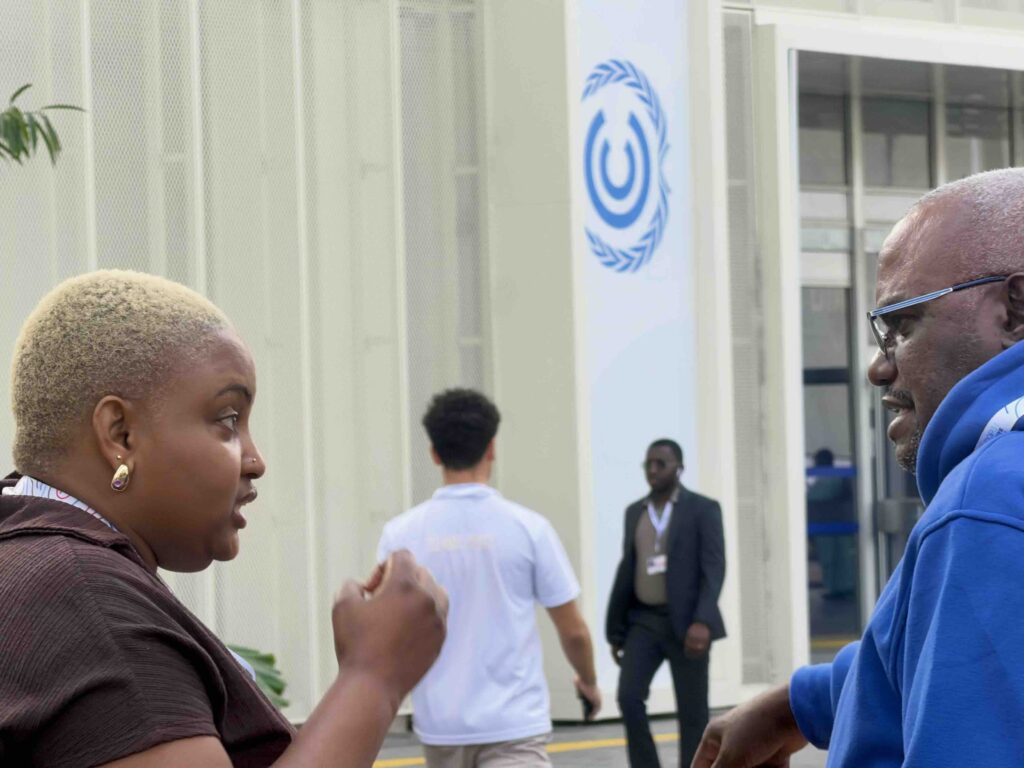
“Women and girls in Cameroon and across Africa are already leading sustainable, community-level adaptation efforts,” said Dr. Zoneziwoh Mbondgulo-Wondieh. “We came to COP31 to demand that global climate governance stops treating women as passive victims and starts recognizing and resourcing them as critical architects of climate resilience.”
With COP31 ending in deadlock, the global climate agenda now shifts to African soil for COP32 in Addis Ababa, Ethiopia, in November 2027. Driven by its mission to advance SRHR, gender equality, and climate justice through advocacy, feminist mentorship, research, and movement building, Wfac is already mobilizing around the critical milestones between Antalya and Addis:
- Shaping the 59 Adaptation Indicators (By October 2027): COP31 established an expert task force to refine the 59 global adaptation indicators ahead of COP32. Wfac will advocate for these metrics to formally capture health-centric adaptation, measuring SRHR access, WASH resilience, and protection against GBV, so that national adaptation plans in Cameroon reflect women’s lived realities.
- Reclaiming Human Rights in the Just Transition (Bonn, June 2027): As subsidiary bodies convene in Bonn next June to design the operational rules of the Just Transition mechanism, Wfac and its feminist allies will push to reinstate human-rights safeguards and ensure that the extraction of critical minerals does not come at the expense of African women’s land, health, and livelihoods.
- Demanding Direct, Intersectional Finance: With the Adaptation Fund now positioned to receive proceeds from Article 6.4 carbon markets while maintaining a developing-country board majority, Wfac will press for simplified, direct-access, non-debt-creating grants that reach women-led organizations working at the nexus of food sovereignty, menstrual dignity, and the care economy.
- Localizing the Gender Action Plan: Refusing to wait for consensus in stalled negotiating rooms, Wfac will continue demystifying climate governance at the community level, equipping Cameroonian women and youth to hold local and national decision-makers accountable and to bring a unified, Afro-ecofeminist mandate to Addis Ababa.
In advancing all these, Wfac has also launched our Climate Justice Fellowship to impart fellows with the right information and knowledge on COP processes and negotiations ahead of COP32 next November in Ethiopia.
The impasse in Antalya proved that voluntary pledges cannot replace binding, rights-based obligations. As the world looks toward COP32 in Ethiopia, Women for a Change, Cameroon remains steadfast: climate justice is impossible without gender equality, bodily autonomy, and direct investment in the women already building resilience on the frontlines.